


Alignment
Postpartum Massage
Benefits, Techniques, and Considerations for New Mothers
Introduction
Postpartum massage is a specialized form of therapeutic massage designed to support women in the weeks and months following childbirth. This period, known as the postpartum stage, is marked by significant physical, emotional, and psychological changes. Postpartum massage aims to promote recovery, relaxation, and overall well-being as mothers adjust to life with a newborn.
Benefits of Postpartum Massage
-
Physical Recovery: Massage can help alleviate muscle soreness and tension resulting from labor and delivery. It supports the body's natural healing processes, improves circulation, and encourages lymphatic drainage to reduce swelling.
-
Hormonal Balance: Gentle massage may help regulate hormones by reducing levels of cortisol (the stress hormone) and encouraging the release of endorphins, which promote feelings of relaxation and happiness.
-
Emotional Support: The postpartum period can be emotionally challenging. Massage provides a nurturing touch that can help reduce anxiety, stress, and symptoms of postpartum depression.
-
Improved Sleep: Many new mothers experience sleep disturbances. Massage therapy can promote deeper and more restful sleep by relaxing the body and mind.
-
Breastfeeding Support: Gentle massage around the shoulders, neck, and chest can relieve tension associated with breastfeeding and may help stimulate milk production.
-
Scar Tissue Healing: For mothers who have had a cesarean section, massage can improve scar tissue mobility and reduce discomfort as the incision heals (always consult with a healthcare provider before massaging near surgical sites).
Common Techniques Used in Postpartum Massage
-
Swedish Massage: This gentle technique uses long, flowing strokes to promote relaxation and improve circulation. It is ideal for postpartum mothers as it is calming and non-invasive.
-
Deep Tissue Massage: When appropriate, targeted pressure may be used to relieve deeper muscle tension, especially in areas affected during pregnancy and childbirth, such as the lower back, hips, and shoulders.
-
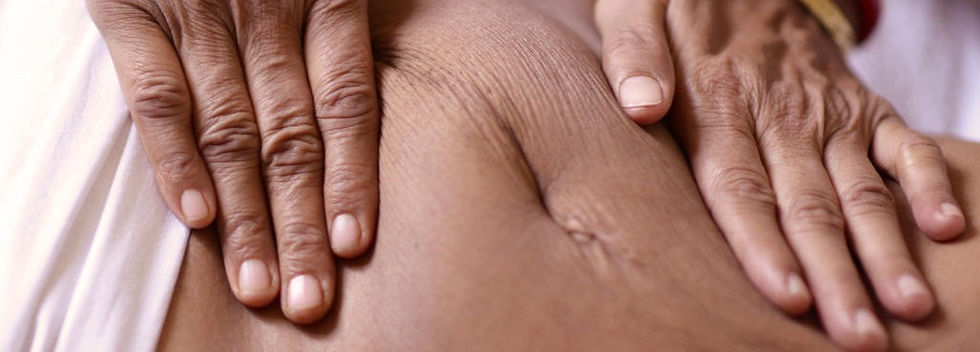
Abdominal Massage: Light abdominal massage can support the uterus's return to its pre-pregnancy size and help with digestion, but should only be performed when approved by a healthcare provider.
-
Lymphatic Drainage: Gentle, rhythmic strokes help reduce swelling and support the body's detoxification processes.
Safety Considerations
-
Timing: Most women can safely receive postpartum massage within the first few days to weeks after childbirth, depending on their recovery and any medical complications. Always consult with a healthcare professional before beginning massage therapy.
-
Cesarean Section: Mothers who have undergone a C-section should avoid abdominal massage until the incision has healed and their doctor approves.
-
Communication: It is important to communicate with your massage therapist about your comfort level, areas of concern, and any health issues.
-
Environment: Postpartum massage can be performed at home or in a clinic, with accommodations to support the mother’s comfort and the possibility of caring for the baby nearby.
Postpartum massage is a valuable tool for supporting mothers’ recovery and well-being after childbirth. By providing physical relief, emotional support, and relaxation, it can ease the transition into motherhood and promote long-term health. Always consult with your healthcare provider to ensure postpartum massage is appropriate for your individual needs.
Let’s Work Together
Get in touch so we can start working together.

